I personally have not stopped hearing about Christopher Nolan’s The Odyssey since it came out last month. Everyone seems to have a take – from the most acclaimed film critics for the most acclaimed media outlets, to just about everyone on X. Now instead of giving our take (you’re not missing out on too much, we’re interior designers not film critics) I wanted to talk about an interesting argument – one between modernisation and preservation – that seems to be at the heart of these warring opinions on the adaptation.
Perhaps the prime example of a strong opinion is Emily Wilson’s, the classicist whose 2017 translation Nolan cited as an influence throughout the press tour. When the film came out, Wilson wrote the most scathing of reviews for the London Review of Books. She argued it was thin on character and emotional weight, and said she’d be ashamed to have written any part of the script herself. The piece went viral enough (it briefly crashed the LRB’s website!) and it split people right down the middle. Some thought she had a point, that the film had traded away Homer’s substance for spectacle. Others thought she was being unfair to a blockbuster that was never trying to be her own translation.
What’s funny is that Wilson’s own translation was considered pretty radical when it came out. She was the first woman to translate the Odyssey into English, and critics praised her for stripping out centuries of archaic, ornamental language while sticking closely to the structure and pace of the original. She modernised it without losing what made it Homer. Her issue with Nolan, if you boil it down, is that he didn’t manage the same balancing act.
As interior designers, we think about a version of this all the time.
No client hires us to leave a house exactly as it is. Very few want it unrecognisable either. So the real question is rarely modernise or preserve – it’s how much of each, and it’s all about deciding where the line falls, so that the project delivers to the client’s brief.
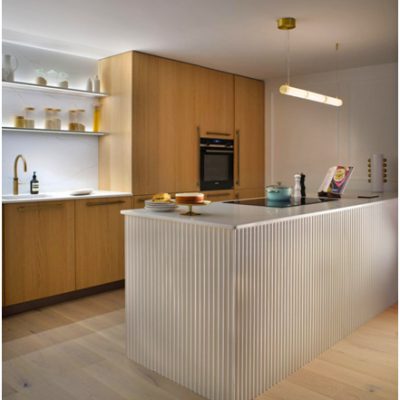
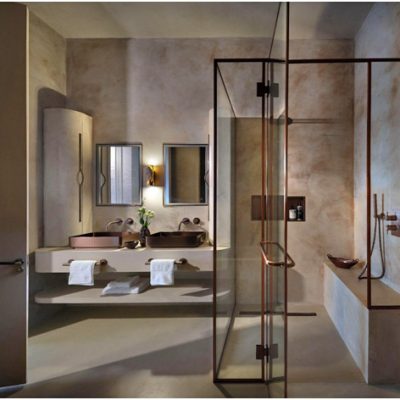
There’s no formula for this. And in practice, it’s nearly always a compromise. Keep the cornicing, lose the poky chopped-up rooms underneath it. Keep the sash windows, rework what’s happening behind them. Hold onto the proportions a Georgian or Victorian architect got right, and update the wiring, the heating, the kitchen, everything a family actually needs to live comfortably today. The houses that work best are those that do the balancing act the best.
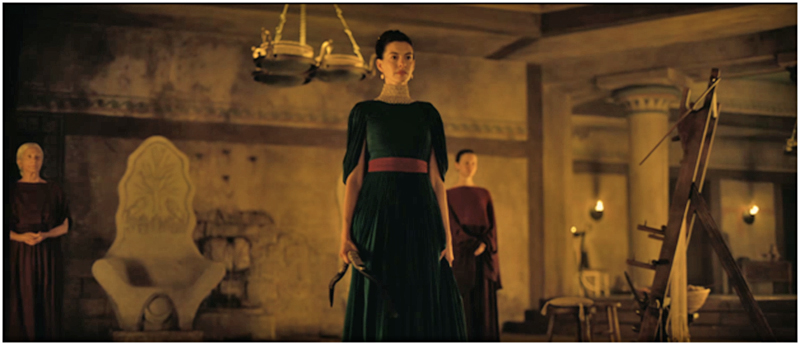
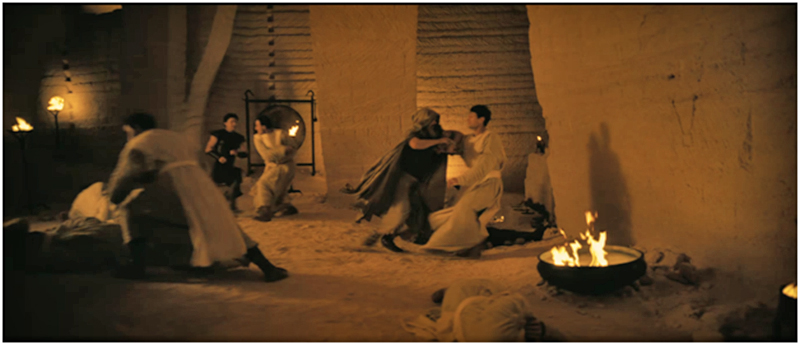
Nolan’s production designer, Ruth De Jong, who also built the world of Oppenheimer, seems to have faced her own version of this. Most people picture “ancient Greece” as white marble and fluted Doric columns…but that’s Classical Greece, centuries after the Bronze Age world that Homer was actually writing about. Rather than default to the familiar look, the production went back to what little archaeological record survives from the period, and built from there. Odysseus’s palace was shot at a ruined clifftop castle in Sicily, Troy was filmed among the rammed-earth kasbahs of Morocco. Hewn stone, sun-baked earth, materials with weight and age to them rather than polish. So if you’re looking for the white, marble columns we associate with Ancient Greece, you’re bound to be aesthetically disappointed by the movie – and that’s because when it came to the design of the movie’s interiors, Nolan did actually stay true to text.
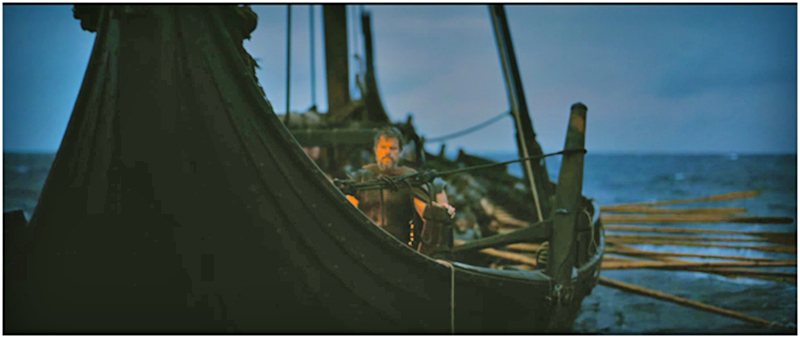
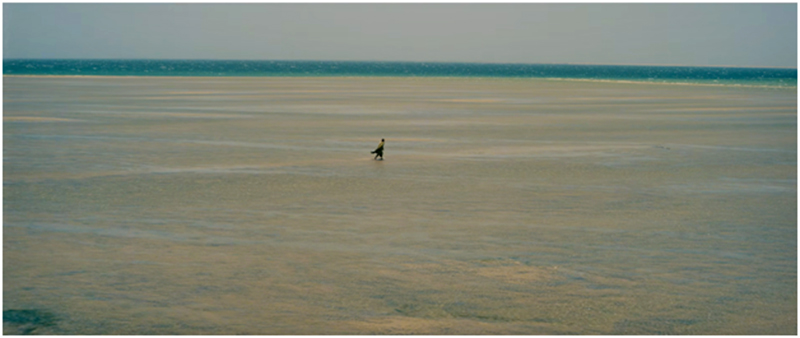
Another aspect of the movie that makes us think of our work here at the studio is the fact that it’s all about coming home. Strip all the debate away and what’s left is a fairly simple story. A man spends twenty years trying to get back to his house (maybe sooner ‘palace’), his wife, the life he had before. We feel this is a good reminder of what all the compromise is actually for: nobody agonises over cornicing and floor plans because they enjoy the process – they don’t! – they do it so that when they walk back through the door, it still feels like home.
For us, that’s really the only test that matters at the end of a renovation. Not whether it’s faithful enough to its original heritage design, but whether it still feels like the place you want to come home to.